

Legal steps for licensing a business idea: what actually protects you before you talk to anyone
I once watched a friend lose a licensing deal because he sent a one-page concept summary to a manufacturer before a single document was signed. Six weeks later, the manufacturer launched something suspiciously similar. He had no patent, no NDA, no proof of prior disclosure. He had nothing. That conversation is the reason I now treat the legal steps of licensing as the product itself, not the paperwork that follows it.
Licensing a business idea means granting someone the right to use your concept, brand, or invention in exchange for money, usually royalties. The legal work around that arrangement is what separates a deal that pays you for years from a story you tell at conferences about the one that got away. Here's the sequence that actually holds up.
Key Takeaways
- You cannot license an unprotected idea in any meaningful legal sense. Protection comes first.
- A signed NDA before disclosure is the single cheapest piece of leverage you will ever buy.
- Royalty rates in consumer goods commonly land in the 3–7% range of wholesale price, but the floor matters more than the rate.
- Every licensing agreement needs five clauses minimum: scope, territory, term, minimum guarantees, and termination.
- Register your trademark before you sign anything. Brand rights are what survive a bad deal.
- Jurisdiction and dispute resolution clauses are boring until they're the only thing standing between you and a lawsuit abroad.
Can you legally license an idea that isn't protected yet?
Short answer: no, not in a way that gives you enforceable rights. And this is where most first-time licensors get it wrong.
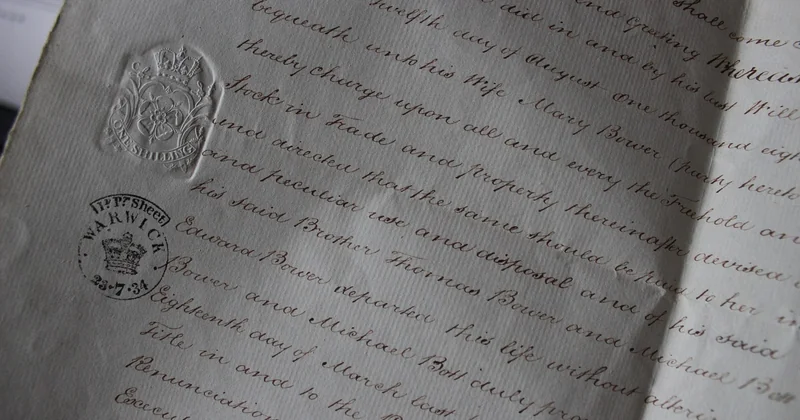
An idea by itself, floating in a conversation, has no legal existence. Copyright covers expression, not concepts. Patent law covers inventions that meet novelty and non-obviousness requirements. Trademark covers brand identifiers. If your "business idea" is a method, a process, or a system, you may be looking at a patent or a trade secret, and those are two very different legal paths.
What protection applies to what
The type of protection you need depends entirely on what you're licensing. Get this wrong and the whole agreement is built on sand.
| What you have | Legal tool | Typical timeline |
|---|---|---|
| A physical invention or device | Utility patent (provisional first, then non-provisional) | Provisional gives you 12 months; full patent takes 2–4 years |
| A brand name, logo, or slogan | Trademark registration | 6–18 months depending on jurisdiction |
| Written content, software code, designs | Copyright (automatic, but register for enforcement) | Immediate, registration strengthens claims |
| A formula, process, or client list | Trade secret protection via NDA | No filing; protection lasts as long as secrecy does |
| A vague concept with no fixed form | Nothing enforceable | — |
Notice that last row. If your idea is still a vague concept, no lawyer can license it for you. You need to fix it into something concrete first: a written specification, a prototype, a documented process, a name you've actually used in commerce.
The provisional patent shortcut
Filing a provisional patent application is the move I recommend to almost everyone who isn't sure yet. It costs a fraction of a full patent, gives you a filing date, and buys you twelve months to test whether anyone will pay for the idea before you commit serious money.
But here's the catch most people miss: a provisional only helps if your later non-provisional application is genuinely supported by what you wrote in it. Vague provisionals are worthless. I've seen inventors file three pages of hand-waving and then wonder why their priority date collapsed when challenged.
The NDA step almost everyone skips
Before you show your idea to a manufacturer, distributor, or potential licensee, you need a signed non-disclosure agreement. Not a template you found online in four minutes. A document that actually names your idea, defines what counts as confidential, and specifies what happens if they breach it.

Will some companies refuse to sign? Yes. Large manufacturers often have a policy against signing inbound NDAs. That's a real obstacle, and you have to decide whether the risk is worth it. My rule: if they won't sign and the idea isn't protected by a patent or registered trademark, walk away. There will be other licensees.
What a real NDA contains
- A specific description of what's confidential — not just "all information disclosed"
- A defined time period, usually 2–5 years
- Carve-outs for information already public or independently developed
- A clear statement that no license is granted by the disclosure itself
- Remedies: injunctive relief, not just damages
That fourth point trips up a lot of people. Disclosing your idea under NDA does not give the other party any rights to use it. It only stops them from stealing it. The actual right to use comes later, in the license agreement.
The licensing agreement: five clauses that decide everything
Once you've protected the underlying asset and had your conversations under NDA, you reach the license agreement itself. This is where the money lives and dies.

1. Grant of rights and exclusivity
Are you granting an exclusive license (only they can use it, even you can't) or non-exclusive (you can license to ten other companies tomorrow)? Exclusive licenses command higher royalties because you're giving up optionality. Non-exclusive licenses are safer for you. I generally push for non-exclusive unless the licensee is paying a significant minimum guarantee.
2. Territory and field of use
Grant rights for North America only, or worldwide? For consumer products only, or also industrial applications? Narrow grants are almost always better for the licensor. If you hand over worldwide rights in all fields, you've capped your upside for the entire term of the agreement.
3. Term and renewal
Three to five years is typical for consumer goods. Anything longer needs a strong justification. Build in renewal conditions tied to performance targets, not automatic renewal. Auto-renewing licenses are how inventors end up locked into a bad deal for a decade.
4. Minimum guarantees and royalty rates
The royalty rate gets all the attention. The minimum guarantee is what actually protects you. It's a floor payment — the licensee commits to paying at least a certain amount per year regardless of sales. Without it, a licensee can sit on your idea, block competitors from using it, and pay you nothing.
On rates: in consumer products, royalties commonly fall between 3% and 7% of wholesale price. Software and digital products often run higher. But the number itself matters less than whether the licensee can actually sell. An 8% royalty on zero sales is worth less than 2% on a product that moves.
5. Termination and dispute resolution
What happens if they stop paying? If they go bankrupt? If they sell the company? Spell out termination triggers and cure periods. And specify which jurisdiction's courts have authority, or whether you're going to arbitration. Cross-border licensing disputes without a jurisdiction clause are a nightmare I would not wish on anyone.
The regulatory and tax side you can't ignore
Product compliance obligations usually sit with the licensee, not you, but the agreement needs to say so explicitly. If your product is a food item, a medical device, a toy, or anything electronic, there are regulatory frameworks — labeling, safety testing, certifications — that apply. Ambiguity here means you get dragged into a recall you had nothing to do with.
Insurance is the same story. Require the licensee to carry product liability coverage naming you as an additional insured. It costs them almost nothing and it can save your entire financial life.
And royalties are taxable income. If you're licensing to a company in another country, you may be looking at withholding taxes on those payments, and potentially a treaty that reduces the rate. This is not a place to improvise. A cross-border tax mistake on a five-year deal can eat 20–30% of your revenue.
What happens after you sign
Legal steps don't end when the ink dries. You need an audit right in the agreement — the ability to have a third party verify reported sales. Royalty underreporting is common enough that most experienced licensors build in periodic audit provisions and require the licensee to cover audit costs if discrepancies exceed a threshold, often 5%.
Track your filings too. Trademark registrations need maintenance. Patents have maintenance fees. Miss one and the protection you licensed evaporates mid-agreement, which is a phone call nobody wants to make.
Here's what I'll leave you with. The legal work of licensing is not the exciting part of the business. It's the part that decides whether the exciting part survives contact with reality. Two hours with a lawyer before you send that first email will do more for your long-term revenue than two years of hustle after you've already disclosed everything for free. The inventors who do this well aren't smarter than the rest. They just protect the asset before they show it to anyone. Protect first. Talk second. Get paid third. In that order, every time.


